| Upcoming Events |
| There are currently no events |
| View All Events |
| 2026 Incidents | |
|---|---|
| Jan | 98 |
| Feb | 99 |
| Mar | 66 |
| Apr | 82 |
| May | 75 |
| Jun | 97 |
| Jul | 99 |
| Aug | 85 |
| Sep | 98 |
| Oct | 100 |
| Nov | 0 |
| Dec | 0 |
| Total | 899 |
| Web Counters | ||||||
|
|
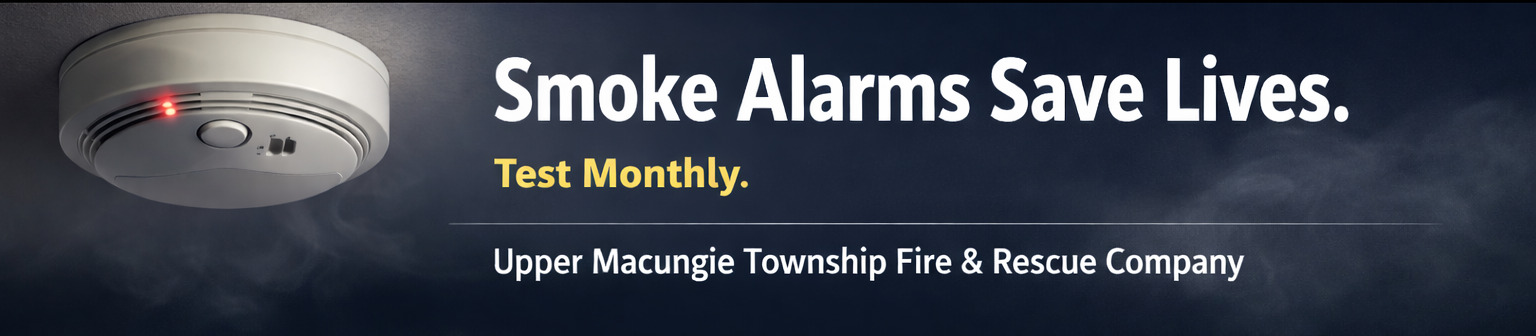
Smoke alarms are life-saving devices designed to automatically sound a warning when they detect smoke or products of combustion. When occupants are alerted early, they can escape before a fire spreads. Although many people believe a fire will never happen to them, the statistics tell a different story. Each year in the United States:
Nearly two-thirds of fire deaths occur in the victim’s own home. Most fatalities result from smoke and toxic gases, not flames. The majority of fatal residential fires occur between 11:00 p.m. and 6:00 a.m., when occupants are asleep. A study conducted by Johns Hopkins University and funded by the United States Fire Administration found that the majority of residential fire deaths and injuries could have been prevented with properly installed and maintained smoke alarms. Types of Smoke AlarmsThere are two primary types of smoke detection technology: Ionization Smoke Alarms
Photoelectric Smoke Alarms
For maximum protection, many experts recommend combination units or installing both types. Choosing the Right Smoke AlarmThe National Fire Protection Association recommends:
For new construction, smoke alarms are required inside each sleeping area. On floors without bedrooms, place alarms near living areas such as dens or family rooms. Smoke alarms are generally not recommended for kitchens due to nuisance alarms from cooking. Proper InstallationCorrect placement is critical:
Hard-wired alarms should be installed by a qualified electrician and placed on a dedicated circuit. Maintenance and TestingRoutine maintenance ensures reliability.
If you have been away from home for an extended period, test alarms upon returning. Smoke and Carbon Monoxide ProtectionHomes should also be equipped with carbon monoxide (CO) alarms. Combination smoke/CO units are available and provide added protection from invisible, odorless gas hazards. A Simple Gift That Saves LivesSmoke alarms make excellent housewarming or seasonal gifts. It is a simple, affordable device that can protect an entire household. If you do not have a working smoke or carbon monoxide alarm in your residence due to financial hardship, contact your local fire department to inquire about assistance programs. Working smoke alarms cut the risk of dying in a home fire in half. Install them. Test them. Maintain them. Lives depend on it. |