|
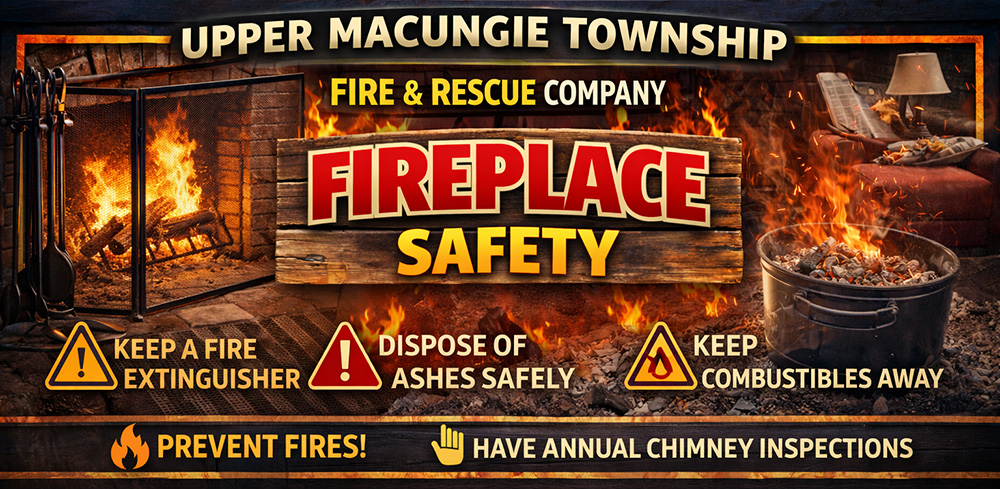
Nothing is quite as inviting as a warm, crackling fire on a cold evening. However, without proper precautions, a fireplace can quickly become a serious fire hazard. Each year, approximately 6,000 people are treated in emergency rooms for fireplace-related injuries, many involving children under the age of five. In addition, an estimated 14,000 early home fires begin in fireplaces, often spreading due to overloading, structural damage, blocked flues, nearby combustibles, or flying sparks.
Protect your home and family by following these essential fireplace safety guidelines.
Inspection and Maintenance
Routine inspection and maintenance significantly reduce the risk of fire and carbon monoxide exposure.
-
Ensure the fireplace has proper protective linings and functional smoke ducts.
-
Check that the chimney is structurally sound and free of cracks or missing bricks.
-
Have chimneys inspected annually and cleaned as necessary by a Chimney Safety Institute of America Certified Chimney Sweep. Professional cleaning removes creosote buildup and obstructions that can lead to chimney fires or carbon monoxide poisoning.
-
Keep the chimney top clear of tree limbs and debris.
-
Install a chimney cap to prevent animals, leaves, and debris from entering.
If installing a factory-built fireplace, ensure it is properly located away from combustible materials and includes adequate flame and heat barriers.
Safe Fireplace Operation
Before Lighting a Fire
-
Always open the damper before lighting a fire and keep it open until ashes are completely cool. This prevents dangerous gases, including carbon monoxide, from building up inside the home.
-
Use only well-seasoned firewood that has been dried for six months to one year and stored properly.
-
Place wood or fire logs toward the rear of the fireplace on a sturdy grate.
-
Use a commercial firelighter or kindling to start the fire.
Never Use Accelerants
-
Never use gasoline, charcoal lighter fluid, or other flammable liquids to start or relight a fire. Vapors can travel across a room and ignite explosively.
-
Keep all flammable liquids well away from the fireplace.
Fuel Safety
-
Do not burn coal or charcoal in a fireplace due to the risk of carbon monoxide buildup.
-
Do not burn trash, wrapping paper, or coated materials. These can release toxic fumes and produce flying embers capable of igniting the roof.
-
Avoid overloading the fireplace. Large fires can overheat walls and roofing materials, especially in metal fireplaces.
Artificial Logs
Artificial logs are typically made of sawdust and wax and burn differently than natural wood.
-
Follow manufacturer instructions carefully.
-
Burn only one artificial log at a time.
-
Do not add another log until the fire is completely out.
-
Never add an artificial log to an already burning natural wood fire. Wait at least two hours before switching fuel types.
-
Do not poke artificial logs; melting wax can adhere to tools and drip onto flooring.
Newspaper Logs
-
Never soak newspaper logs in flammable liquids.
-
If making rolled newspaper logs, dampen with water before rolling and allow to dry thoroughly for approximately two weeks before use.
-
Light as you would a standard wood fire using kindling.
Protecting Your Home and Family
-
Always use a fireplace screen to prevent sparks from escaping and to protect against clothing ignition.
-
Keep carpets, furniture, pillows, decorations, and papers at a safe distance from the fireplace.
-
During holidays, ensure Christmas trees and decorations are well away from the hearth.
-
Warn children about fire dangers and never allow them to play near the fireplace.
-
Extinguish fires completely before going to bed or leaving the home.
Fire Extinguisher Readiness
Keep a multi-class (ABC-rated) fire extinguisher accessible near the fireplace area. Ensure all household members understand how to operate it safely.
Community Risk Reduction Message
Fireplaces provide warmth and comfort—but only when used responsibly. Annual inspections, proper fuel use, and safe operating practices are essential components of residential fire prevention.
For additional fireplace safety guidance or to schedule a home safety presentation, contact your local fire department’s Community Risk Reduction Division.
|


