| Upcoming Events |
| There are currently no events |
| View All Events |
| 2026 Incidents | |
|---|---|
| Jan | 98 |
| Feb | 99 |
| Mar | 66 |
| Apr | 82 |
| May | 75 |
| Jun | 97 |
| Jul | 99 |
| Aug | 85 |
| Sep | 98 |
| Oct | 100 |
| Nov | 0 |
| Dec | 0 |
| Total | 899 |
| Web Counters | ||||||
|
|
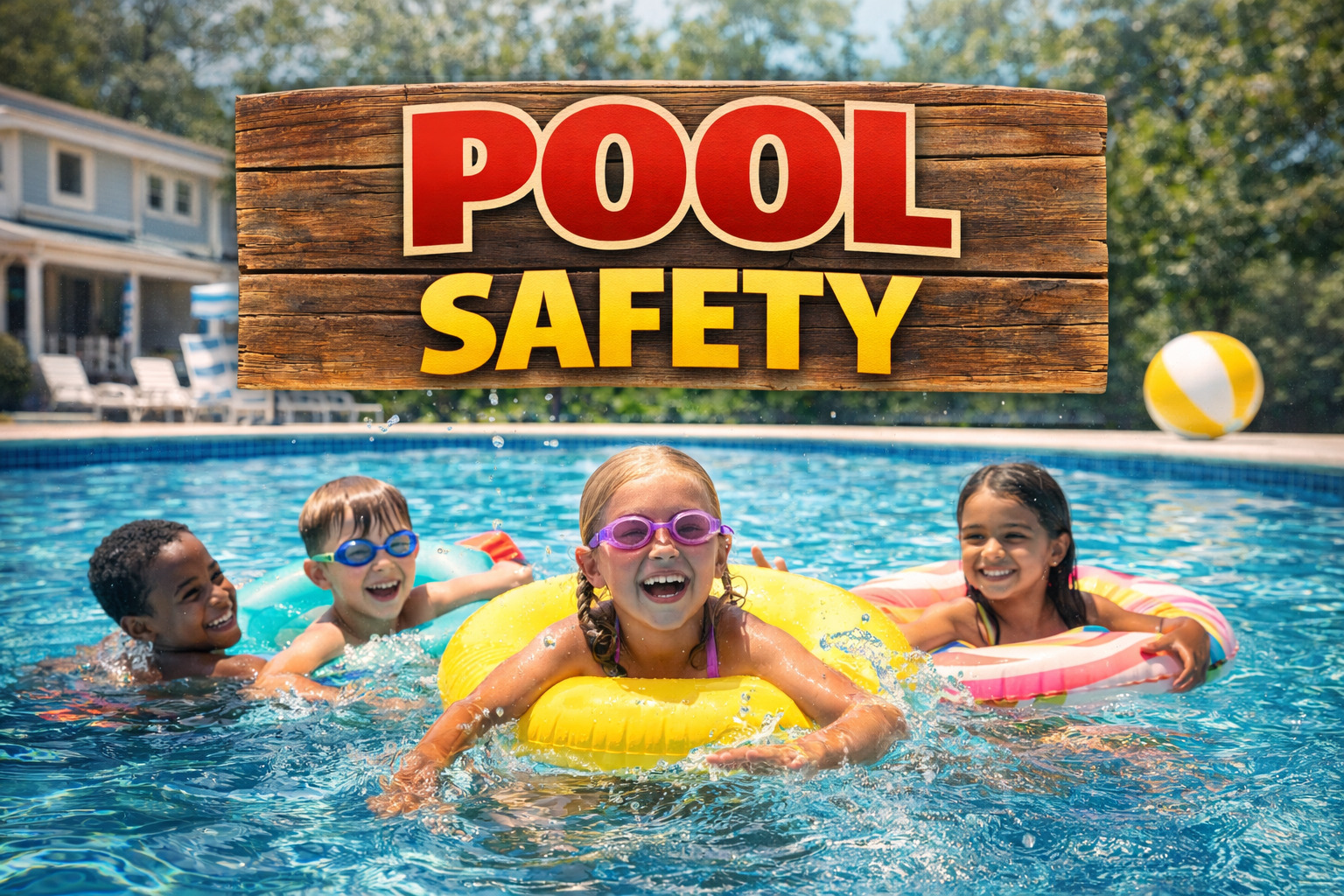
It takes only seconds for a child to drown. Drowning is a leading cause of death for children under the age of five. Most incidents occur in residential swimming pools, often in the child’s own backyard. However, drowning hazards extend beyond pools to bathtubs, buckets, toilets, dog water bowls, ponds, and canals. Young children are especially vulnerable. They are top-heavy and lack the upper body strength to lift themselves out of water. Even when a child survives a drowning incident, the result can be permanent brain damage due to oxygen deprivation. Drowning and near-drowning incidents are preventable. Constant supervision and layered safety measures save lives. Supervision Is the First Line of Defense
Install and Maintain Proper Barriers
Layered protection significantly reduces risk. Be Prepared for Emergencies
Practice Safe Swimming Habits
Additional Water Safety Reminders
Community Commitment to Water SafetyPool safety requires vigilance, preparation, and shared responsibility. By implementing barriers, maintaining constant supervision, and being prepared for emergencies, families can prevent needless tragedies. For additional water safety information or to schedule a community safety presentation, contact your local fire department’s Community Risk Reduction Division. |